Understanding Cute Tileable Patterns: A Practical Guide for Designers and Creators
In the realm of digital design, visual assets that seamlessly repeat without visible breaks are invaluable. Cute Tileable Patterns represent a specific category of these resources, designed to offer charming, repetitive textures that can be applied across various media projects. Unlike standard single-image files, tileable patterns function as building blocks, allowing designers to fill large areas with consistent aesthetics while maintaining a lightweight file size. This guide explores what makes this collection distinct, how it compares to other texture options, and helps you determine if it fits your current project requirements.
What Defines Cute Tileable Patterns?
The core utility of Cute Tileable Patterns lies in their structural integrity. When a pattern is described as "tileable," it means the edges align perfectly when repeated horizontally and vertically. This eliminates unsightly seams or gaps that often ruin backgrounds in web design, mobile apps, and print layouts. The aesthetic focus on "cute" implies a specific stylistic direction—typically featuring soft colors, playful shapes, whimsical characters, or gentle motifs like stars, hearts, and clouds.
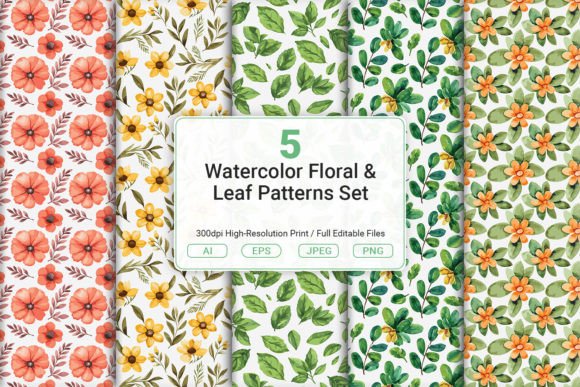
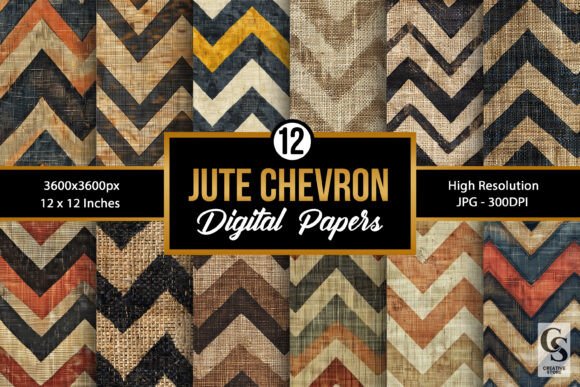
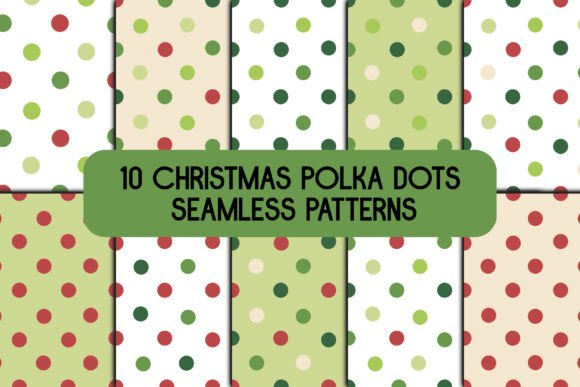
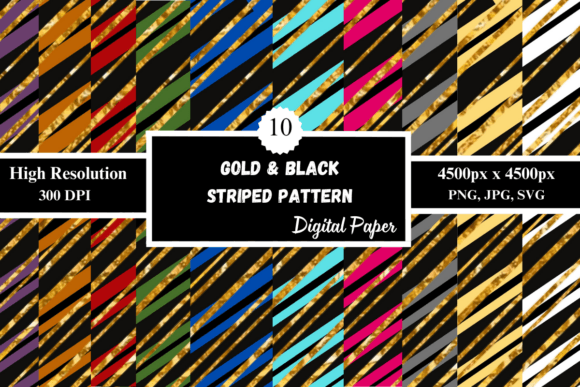
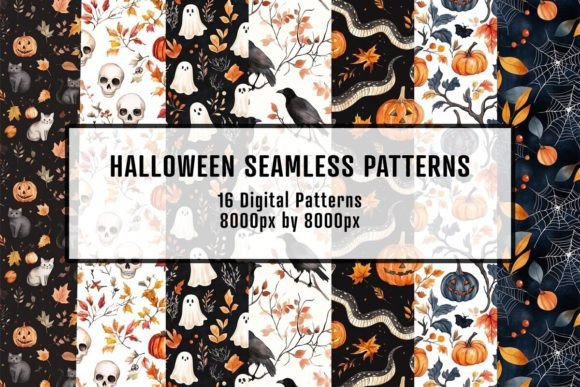
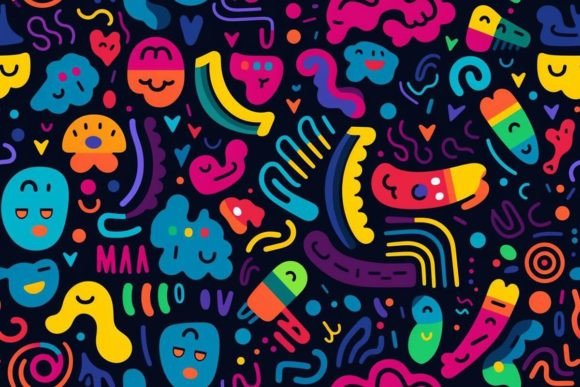
When evaluating this resource, it is important to look beyond the filename. As noted in the product metadata, titles can sometimes be randomly generated or misleading. For instance, a file named "Summer Vibes" might actually contain a winter-themed snowflake motif. Therefore, the primary evaluation method should always involve inspecting the actual product images rather than relying on text descriptions. The visual evidence provided in the preview gallery is the most reliable indicator of whether the style matches your creative vision.
The Technical Format and Usage
This collection typically arrives as a compressed archive containing a single high-quality JPG file. While some advanced asset packs include PNGs with transparency or vector formats, the JPG format offers broad compatibility. It ensures that the pattern works instantly in almost any software, from Adobe Photoshop and Illustrator to simpler tools like Canva or basic coding environments. The compression used in JPEGs keeps the file size manageable, which is crucial for web performance where loading speed impacts user experience.
The single-file delivery simplifies the workflow. Instead of managing dozens of individual image files, you download one package, extract it, and have immediate access to the repeating texture. This efficiency is particularly beneficial for rapid prototyping or when working under tight deadlines.
Evaluating Strengths and Limitations
To make an informed decision, one must weigh the advantages of using cute tileable patterns against potential drawbacks. Understanding these tradeoffs helps in selecting the right tool for the job.
- Seamless Repetition: The primary strength is the ability to create infinite backgrounds. Whether you need a backdrop for a blog post, a texture for a greeting card, or a background for a game interface, these patterns scale without losing quality up to a certain resolution limit.
- Aesthetic Consistency: The "cute" theme provides a cohesive look. Using a pre-made set ensures that all elements share the same color palette and line weight, reducing the time spent on manual color correction.
- File Efficiency: Compared to photographing a physical texture or creating a complex vector illustration from scratch, downloading a ready-made tileable pattern is significantly faster and more cost-effective.
However, there are limitations to consider. The reliance on a single JPG file means there is no transparency channel. If you need the pattern to wrap around irregular shapes or interact with complex layers, you may find yourself needing to mask the image manually. Additionally, the fixed resolution of the source image limits how much you can enlarge it before pixelation becomes apparent. If your project requires massive-scale printing, you might need to seek out vector-based alternatives.
Comparing Approaches: Tileable Patterns vs. Alternatives
Designers rarely work in isolation; they often compare different methods to achieve a similar result. How does Cute Tileable Patterns stack up against other common approaches?
Single Images vs. Repeating Textures
A common alternative is using a single, non-repeating image (like a photograph or a piece of art). While single images offer unique compositions, they are inefficient for filling large spaces. You would need to stretch the image, causing distortion, or repeat it manually, risking visible seams. Tileable patterns solve this by being engineered specifically for repetition, offering a cleaner, more professional finish for backgrounds.
Raster Formats vs. Vector Graphics
Another comparison point is the file type itself. Many premium assets come in SVG or AI formats. These allow for infinite scaling without quality loss. However, raster formats like JPG are universally supported and easier to use for quick edits in photo editing software. If your workflow involves heavy manipulation, blurring, or applying filters within a raster editor, the JPG version of Cute Tileable Patterns is often more practical than wrestling with vector paths.
Custom Creation vs. Pre-Made Assets
You could choose to create your own pattern from scratch using design software. This offers total control but requires significant time and skill. Using a pre-made pack like this one shifts the burden of creation to the asset provider. This is ideal for professionals who need to maintain high output speeds. The tradeoff is less customization; you get what is provided unless you edit the base image heavily.
Decision Factors: When to Choose This Resource
Determining the right fit depends on your specific project goals. Here are scenarios where Cute Tileable Patterns shines, and situations where you might look elsewhere.
Ideal Use Cases
This resource is best suited for projects requiring a friendly, approachable atmosphere. Consider the following applications:
- Social Media Graphics: Creating engaging backgrounds for Instagram stories or Pinterest pins where a cute, cohesive look drives engagement.
- Web Design Elements: Adding subtle texture to section dividers or footer backgrounds to break up solid colors without overwhelming the content.
- Print Collateral: Designing stationery, stickers, or packaging for children's products where a playful aesthetic is required.
- App Interfaces: Providing a pleasant backdrop for settings screens or splash pages in mobile applications targeting a younger demographic.
When to Look Elsewhere
There are times when this specific type of asset may not be the optimal choice:
- High-Resolution Printing: If you are printing large banners or billboards, the resolution of a standard JPG tileable pattern might be insufficient. In such cases, a vector file or a higher-resolution scan is necessary.
- Professional or Corporate Themes: If the project requires a serious, minimalist, or corporate identity, the "cute" aesthetic might clash with the brand voice. A geometric or abstract pattern would be more appropriate.
- Complex Layering Needs: If you require the pattern to act as a transparent overlay on top of other images, a JPG will force you to remove the white background manually. A PNG with transparency would be a superior choice here.
Maximizing Value Through Evaluation
When browsing through collections like this, the key to success is careful evaluation. Since titles can be misleading, rely on your eyes. Zoom in on the product images to check the seamlessness of the tiles. Rotate the image in your mind to see if the pattern holds up in different orientations. Check the color balance to ensure it complements your existing design palette.
Furthermore, consider the versatility of the design. A good pattern should work well at both small sizes (for icons or buttons) and larger sizes (for full backgrounds). If the pattern looks too busy or cluttered when scaled down, it may limit its utility. Conversely, if it is too simple, it might disappear entirely when placed behind text.
User feedback, such as reviews, can also provide insight into the reliability of the asset. Comments often reveal real-world usage scenarios, such as how the file performs in specific software versions or whether the colors match the screen display accurately. Engaging with the community by leaving feedback helps future users make better decisions and supports the creators in refining their offerings.
Conclusion on Selection
Selecting the right visual asset is a balancing act between aesthetic appeal, technical constraints, and project goals. Cute Tileable Patterns offers a streamlined solution for those seeking a charming, seamless texture without the overhead of custom creation. By focusing on the visual evidence in the product images and understanding the strengths and limitations of the JPG format, designers can integrate these patterns effectively.
Whether you are building a website, designing a marketing campaign, or creating personal projects, having access to high-quality, reusable textures saves time and elevates the final output. Just remember to verify the style visually, ensure the resolution meets your needs, and confirm that the "cute" theme aligns with your intended message. With the right selection, these patterns become powerful tools in your design arsenal, adding depth and personality to your work effortlessly.